Stainless steel cookware are popular due to their strong corrosion resistance, durability, and shiny appearance.
In daily life, stainless steel pots are one of the commonly used kitchen utensils for frying. However, whether it is good to cook with stainless steel pots for an extended period is indeed a question worth exploring.
This article will provide a detailed analysis from several aspects, including the material of stainless steel cookware, precautions during use, their impact on human health, and how to correctly choose and use stainless steel pots.
1. What is the material of stainless steel pots
Stainless steel is an iron-based alloy containing 12% to 20% chromium (Cr).
The role of chromium in stainless steel is crucial; it reacts with oxygen to form a dense oxide layer (passivation layer), which protects the steel substrate from oxidation, thereby enhancing its non-corrosiveness and resistance to corrosion. Additionally, some stainless steel pots incorporate nickel (Ni) to improve their corrosion resistance and processing performance.
Stainless steel can be classified into several categories based on its microstructure, including austenitic, ferritic, martensitic, and duplex stainless steels. Among these, austenitic stainless steel is the mainstream material used for kitchen utensils due to its excellent overall performance.
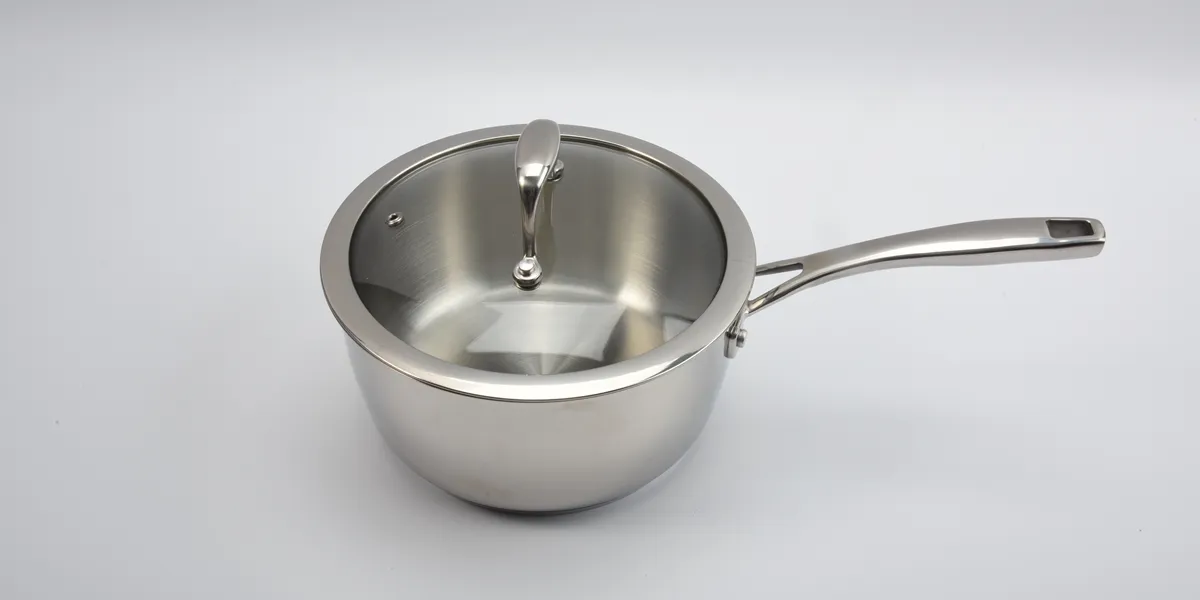
2. What are the pros and cons of stainless steel pots
① Advantages
- Durability: Stainless steel is extremely sturdy and can resist scratches, dents, and other forms of wear, meaning it can last a long time without damage.
- High Temperature Resistance: Stainless steel pots can be safely used at high temperatures, making them suitable for frying, sautéing, and other cooking methods requiring high heat.
- Easy to Clean: Most stainless steel pots can be cleaned with scouring pads without damaging the surface. Additionally, many stainless steel pots are dishwasher safe.
- Non-Reactive: Stainless steel does not react chemically with food, which means it won't alter the taste or color of food and won't release harmful substances.
- Aesthetic Appeal: Stainless steel has a modern and elegant appearance, which integrates well with various kitchen designs.
② Disadvantages
- Poor Thermal Conductivity: Pure stainless steel has relatively poor thermal conductivity, which may lead to uneven heating of food during cooking. However, many high-quality stainless steel pots improve this through layered construction (such as a copper or aluminum core).
- Potential for Sticking: Compared to non-stick pots, stainless steel pots require more skill as they can easily cause food to stick, especially if not properly preheated or if insufficient fat is used.
- Higher Cost: High-quality stainless steel pots are often pricier, which may discourage some consumers.
- Maintenance Required: Although stainless steel pots are relatively easy to clean, they still require some maintenance to preserve their shine, such as regularly using special cleaners to remove water spots or fingerprints.
3. What precautions should you take with stainless steel pots
Despite the many advantages of stainless steel pots, certain precautions should be taken during use to avoid potential damage to the cookware or health risks:
- Avoid Prolonged Empty Heating: Empty heating of stainless steel pots should be avoided, as it can cause the pot's temperature to rise sharply and potentially damage it.
- Timely Cleaning: Pots should be cleaned promptly after use to prevent food residue from adhering for extended periods, which can avoid bacterial growth and maintain the pot's shiny appearance.
- Use Appropriate Cooking Utensils: Avoid using hard tools like metal spatulas that can scratch the surface of the pot; instead, use soft utensils like wooden or silicone spatulas.
4. What is the health impact of stainless steel pots
The concern about whether stainless steel pots can have an impact on human health is common. Generally, high-quality stainless steel pots are safe for normal use. However, prolonged exposure to high acidity or salt levels may lead to the leaching of metal elements such as nickel and chromium from the pots. Excessive intake of these metal elements can be detrimental to health. Therefore, it is advisable to avoid using stainless steel pots for cooking highly acidic foods or to select pots with lower nickel content when doing so.
5. What should you consider when choosing stainless steel pots
To minimize potential health risks associated with stainless steel pots, here are some recommendations for selecting and using them:
- Choose Reputable Brands: Opt for stainless steel pots from well-known brands such as Zwilling, Fissler, and RED COOKING, as their products generally offer better quality assurance.
- Check Material Labels: When purchasing, check for material labels indicating specifications such as 304 (18/8) or 316 (18/10); these numbers represent the ratios of chromium and nickel, with higher nickel content generally indicating better corrosion resistance.
- Proper Use and Maintenance: Avoid prolonged empty heating, do not store highly acidic or salty foods in the pot, and clean and dry promptly after use.
In summary, stainless steel pots have become a common tool for cooking due to their excellent performance. While long-term use of stainless steel pots may have certain health implications under specific conditions, choosing the right pots and paying attention to their use and maintenance can greatly minimize these risks. Therefore, stainless steel pots remain an excellent choice in daily life.
Sales Team:
moutiex@kitchenwarewholesales.com
sales1@kitchenwarewholesales.com
sales2@kitchenwarewholesales.com
sales3@kitchenwarewholesales.com
sales4@kitchenwarewholesales.com


